How Healthcare Providers Can Avoid HIPAA Fines With Secure Document Shredding
October 30, 2025
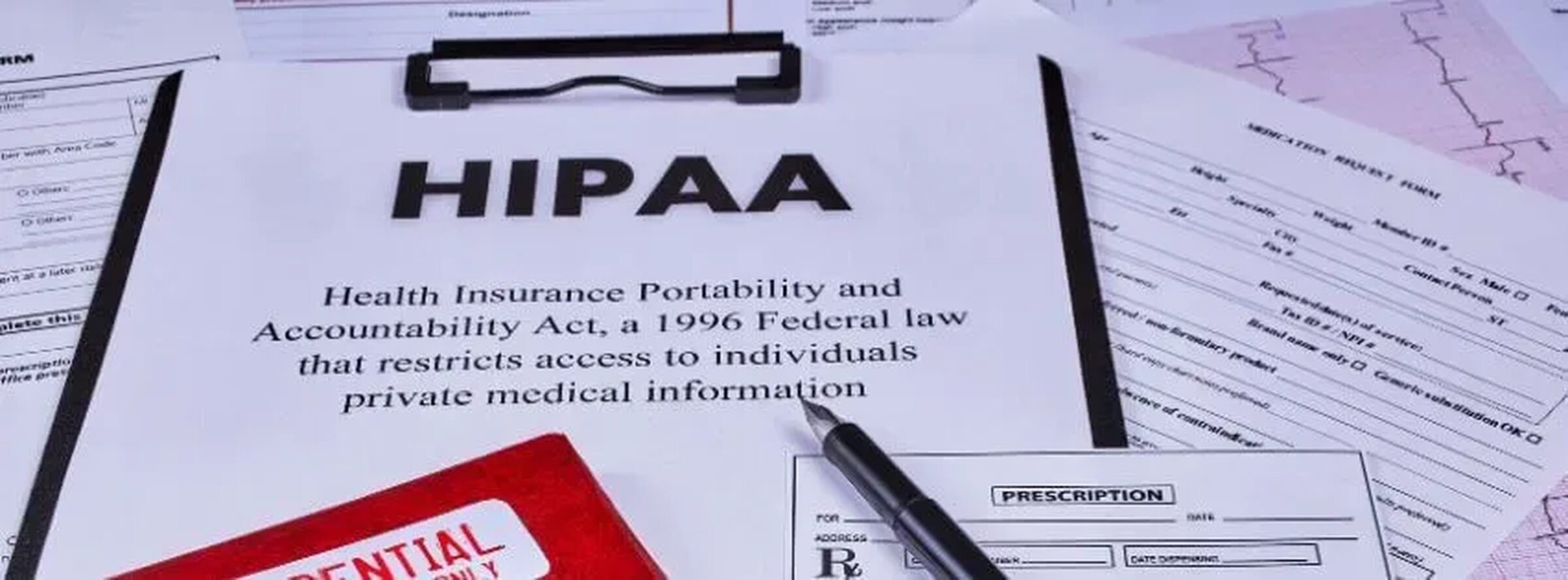
The Health Insurance Portability and Accountability Act (HIPAA) exists to protect patient privacy, and one of its most critical requirements is the secure handling and disposal of patient data. Unfortunately, many healthcare providers unintentionally fall short in this area—putting themselves at risk for costly fines, audits, and reputational damage.
Secure document shredding is one of the most effective safeguards against data breaches involving protected health information (PHI). For healthcare organizations focused on maintaining HIPAA compliance, this guide explains why secure shredding is essential and how it helps prevent violations before they happen.
Understanding HIPAA Compliance
Enacted in 1996, HIPAA established national standards for safeguarding sensitive patient information. While the law has evolved over time, its core objective remains unchanged: ensuring the confidentiality, integrity, and security of patient data throughout its lifecycle—including destruction.
HIPAA compliance requires healthcare providers to implement policies and procedures that govern how PHI is created, stored, accessed, and ultimately disposed of. Improper document destruction is one of the most common—and avoidable—sources of non-compliance.
Because PHI is highly sensitive, penalties for HIPAA violations can be severe. Beyond financial fines, violations often result in audits, corrective action plans, legal exposure, and long-term damage to patient trust.
The Risks of Non-Compliance
HIPAA is enforced by the U.S. Department of Health and Human Services (HHS) Office for Civil Rights (OCR). Penalties vary depending on the nature and severity of the violation, with fines ranging from $100 to $50,000 per violation, up to an annual maximum of $1.5 million.
Potential consequences of non-compliance include:
- Financial penalties imposed by the OCR
- Reputational damage and loss of patient confidence
- Corrective action plans requiring extensive operational changes
- Loss of business, as patients seek providers with stronger data protection practices
In many cases, violations stem from preventable errors—such as improper document disposal.
The Importance of Secure Document Shredding
Healthcare organizations generate large volumes of paper records containing PHI, including intake forms, billing documents, lab reports, and treatment notes. Even documents that appear outdated or insignificant may still contain sensitive patient data.
Throwing documents into the trash or recycling bin creates a serious security risk. Secure document shredding is the only reliable way to ensure that PHI is destroyed beyond reconstruction.
Professional shredding services use industrial-grade equipment and strict security protocols to ensure a documented chain of custody—from collection to destruction. This process significantly reduces the risk of unauthorized access and helps healthcare providers demonstrate HIPAA compliance.
Best Practices for Secure Document Shredding
To strengthen HIPAA compliance, healthcare providers should follow these best practices:
Establish a Shredding Policy
Create a clear, written policy that defines which documents require secure destruction, how shredding is performed, and who is responsible. This policy should align with HIPAA retention and disposal requirements.
Train Employees
Staff must understand how to identify PHI and why secure document destruction matters. Training should cover proper handling procedures and the consequences of HIPAA violations.
Use a Reliable Shredding Service
Partner with a professional shredding provider experienced in healthcare compliance. These services follow strict security protocols and ensure documents are destroyed properly.
Maintain a Chain of Custody
Track shredding activities, including collection, transport, and destruction. Certificates of Destruction provide documentation that can be critical during audits or investigations.
Benefits of Secure Document Shredding
Secure shredding supports both compliance and operational integrity.
Reducing Identity Theft Risk
Shredding eliminates the possibility of patient data being misused, helping prevent identity theft and fraud.
Demonstrating Commitment to Patient Privacy
Proper data disposal reflects a healthcare organization’s dedication to patient trust and ethical responsibility—not just regulatory compliance.
Cost-Effective Risk Management
Compared to the cost of HIPAA fines, legal fees, and breach remediation, professional shredding is a practical and cost-effective safeguard.
Secure Recycling
Shredded documents can still be recycled safely when handled by compliant providers, supporting sustainability without compromising patient privacy.
How to Choose a Document Shredding Service
When selecting a shredding provider, healthcare organizations should look for:
Experience in Healthcare Compliance
Choose a provider familiar with HIPAA requirements and PHI handling.
Strong Security Protocols
Ask about background checks, chain-of-custody procedures, and secure transport methods.
Compliance Certifications
Look for NAID AAA Certification, which indicates adherence to the highest industry security standards.
Environmental Responsibility
Select a provider that recycles shredded materials responsibly.
Conclusion
Secure document shredding is not optional for healthcare providers—it is a critical component of HIPAA compliance and patient data protection. By implementing structured shredding policies and partnering with a trusted provider, healthcare organizations can significantly reduce risk, demonstrate accountability, and avoid costly HIPAA fines.
If your organization is seeking a reliable shredding partner, Abraham’s Shredding offers NAID AAA-certified document destruction for healthcare providers throughout Southeastern Wisconsin and Northeastern Illinois. With decades of experience and a commitment to compliance, we help protect patient privacy every step of the way.
Contact Abraham’s Shredding today to learn more.